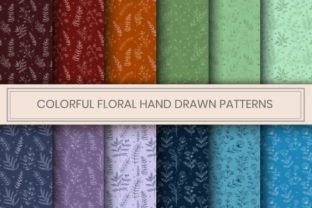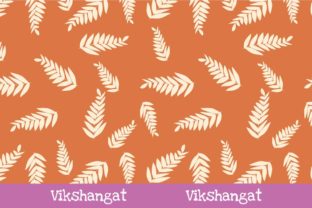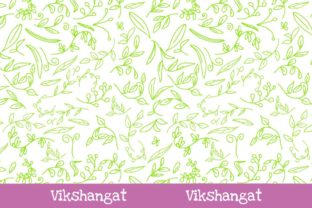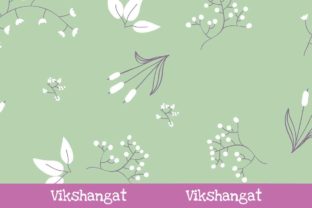
Floral Seamless Pattern Background 21: A Practical Guide for Designers and Makers
When you first encounter Floral Seamless Pattern Background 21, the immediate appeal is often its aesthetic balance. The design strikes a specific chord between classic botanical elegance and modern repeatability, making it a versatile asset for surface designers, textile artists, and digital creators. However, appreciating the visual beauty of this pattern is only the first step. Successfully integrating it into fabric, gift wrap, wallpaper, or digital backdrops requires a technical understanding that goes beyond simply dragging and dropping a file. Many creators, from hobbyists to professional marketers, find themselves frustrated not because the pattern is flawed, but because they have overlooked critical workflow details regarding file formats, resolution, and color management.
Understanding the Asset Beyond the Preview
Floral Seamless Pattern Background 21 is designed as a repeating tile, meaning the edges align perfectly when placed side-by-side horizontally and vertically. This seems basic, yet it is where many projects fail. Users often assume that any image labeled "seamless" will work universally across all mediums. In reality, a pattern optimized for web backgrounds may lack the necessary data density for textile printing. Before committing this design to a physical product like upholstery or stationery, you must verify the intended use case against the file specifications provided.
The versatility of this specific floral arrangement makes it suitable for ornamentation and backdrop creation, but versatility demands adaptability. A common misunderstanding is treating the JPEG preview as the production file. While the JPEG is excellent for mocking up concepts or creating low-resolution digital proofs, it is rarely sufficient for high-quality manufacturing. Relying on compressed raster images for print leads to pixelation, banding in gradients, and muddy colors that disappoint clients and waste materials.
Critical File Format Distinctions: EPS vs. PNG vs. JPEG
To avoid costly reprints or unprofessional digital presentations, you must distinguish between the three primary file types associated with Floral Seamless Pattern Background 21. Each serves a distinct purpose in the creative pipeline, and using the wrong one is the most frequent error observed in surface design.
- The .EPS File: This is your master source. As a vector-based format, the EPS allows for infinite scaling without quality loss. If you are designing wallpaper or large-format textiles, this is non-negotiable. It also permits color separation and element manipulation. Many beginners ignore this file because they lack vector software, effectively limiting their own potential. Investing time to learn basic Illustrator or Affinity Designer workflows unlocks the true value of this asset.
- PNG File: Use this for digital applications requiring transparency or crisp edges at a fixed resolution. It is superior to JPEG for web graphics, social media templates, and digital scrapbooking. However, ensure you are working with a high-DPI PNG (300 DPI minimum) if there is any chance the design might be printed later. A 72 DPI PNG looks fine on a monitor but fails immediately on paper.
- JPEG File: Reserve this strictly for reference, mood boards, or quick client approvals. Never send a JPEG to a commercial printer unless explicitly requested for a specific low-stakes application. The compression artifacts inherent in JPEGs become glaringly obvious when ink hits paper, especially in the subtle shading areas typical of floral illustrations.
Color Management and Print Reality
A frequent source of dissatisfaction with Floral Seamless Pattern Background 21 involves color shifting. What glows vibrantly on an RGB-calibrated monitor often prints duller in CMYK. This is not a defect in the pattern; it is a limitation of subtractive color mixing. Professionals anticipate this by converting files to the appropriate color profile before finalizing designs. If you are using the EPS file, adjust the swatches within the vector environment to match Pantone references or specific printer profiles. For raster users, soft-proofing in Photoshop can save you from ordering five hundred yards of fabric in the wrong shade of sage green.
Additionally, consider the substrate. Colors interact differently with cotton, silk, vinyl, and coated paper. A pattern that looks delicate on screen might appear heavy on uncoated stock due to ink bleed. Always request a strike-off or test print using the actual material and the high-resolution file. Skipping this validation step is a gamble that rarely pays off in professional settings.
Scaling and Repeat Logic Errors
Even with the correct file, improper scaling ruins seamless illusions. When applying Floral Seamless Pattern Background 21 to custom dimensions, maintain the aspect ratio of the original repeat unit. Stretching the pattern to fit a non-standard width distorts the floral motifs, making petals look elongated or squashed. Instead, adjust the scale percentage uniformly or modify the canvas size to accommodate full repeats. Clipping into a repeat unit to force a fit creates visible seams that defeat the purpose of buying a seamless asset.
For digital backdrops and web use, ensure the tiling method matches the file construction. Some CSS background properties or design software default to "stretch" rather than "repeat." Double-check your export settings. A beautiful floral texture reduced to a single stretched blob loses all its intricate detail and charm. Proper tiling preserves the rhythm and flow intended by the designer.
Licensing and Commercial Viability
Beyond technical execution, ethical and legal usage protects your business. Verify the license terms for Floral Seamless Pattern Background 21 before launching products. Some licenses cover personal use and small-batch sales but restrict mass manufacturing or digital redistribution. Misunderstanding these terms can lead to cease-and-desist orders or platform takedowns. Read the fine print regarding attribution requirements and modification rights. Being proactive about licensing builds trust with customers and safeguards your brand reputation.
Evaluating Quality Before Purchase
If you are still deciding whether this pattern fits your needs, perform a pre-purchase audit. Zoom in to 100% on the preview to check for stray pixels, incomplete edges, or color inconsistencies. Review the included file list to confirm both vector and high-res raster options are present. Check the seller’s portfolio for consistency in style and technical proficiency. These small checks take minutes but prevent hours of remedial work later.
Ultimately, Floral Seamless Pattern Background 21 offers tremendous creative potential for everything from bespoke gift wrap to immersive digital environments. Success lies in respecting the technical foundations of surface design. By choosing the right file format, managing color expectations, maintaining proper scale, and adhering to licensing terms, you transform a simple digital asset into a polished, professional result. Approach the process with patience and precision, and the pattern will serve as a reliable cornerstone for your creative projects.