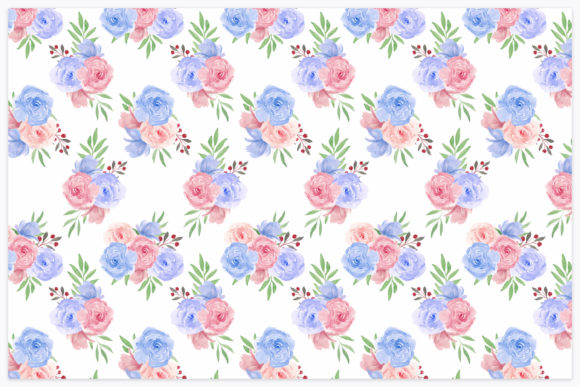
Watercolor Rose Floral Seamless Pattern: Elevating Modern Design with Timeless Botanical Art
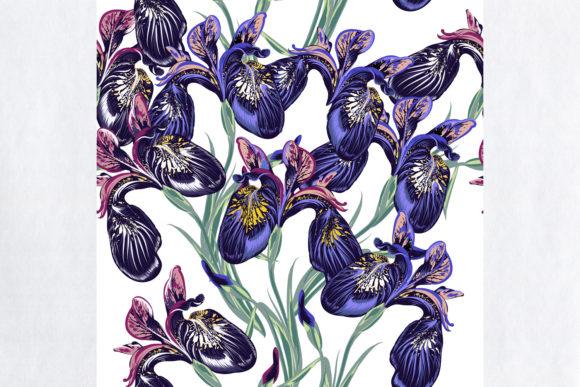
In the evolving landscape of digital and print design, the demand for assets that balance organic warmth with technical precision has never been higher. The Watercolor Rose Floral Seamless Pattern represents a convergence of traditional artistic expression and modern utility. Unlike rigid geometric repeats or sterile vector graphics, this seamless pattern of watercolor flower elements offers a hand-painted aesthetic that retains its integrity across infinite repetitions. For designers, marketers, and creators, this specific type of asset serves as a foundational element that bridges the gap between nostalgic craftsmanship and contemporary commercial application.
The relevance of this pattern extends beyond mere decoration. In an era where digital interfaces often feel cold and impersonal, incorporating botanical watercolor textures introduces a layer of tactile familiarity. This is particularly significant for summer holiday templates, wedding stationery, and lifestyle branding, where the emotional resonance of the visual identity is just as important as the information being conveyed. The soft edges and translucent layers characteristic of watercolor roses communicate elegance and approachability, making them a strategic choice for projects aiming to connect with audiences on a sensory level.
The Shift Toward Organic Digital Aesthetics
Current design trends indicate a decisive move away from the flat, minimalist styles that dominated the early 2010s. Today’s visual culture favors "new nostalgia" and biophilic design principles, where natural forms are integrated into digital spaces to reduce cognitive load and enhance user experience. The Watercolor Rose Floral Seamless Pattern fits precisely into this shift. It satisfies the market preference for authenticity while providing the scalability required for professional workflows.
This evolution is driven by changing consumer expectations. Audiences are increasingly adept at distinguishing between generic stock imagery and curated, high-quality design elements. A seamless pattern of watercolor flower motifs signals attention to detail. When used in fabric designs or wallpapers, the irregularity of the brushstrokes prevents the "tiled" look that often plagues lower-quality repeats. This organic imperfection is now a premium feature, suggesting that a human touch was involved in the creation process, even if the final application is mass-produced.
Versatility Across Print and Digital Mediums
The true value of this floral pattern lies in its adaptability. Because it is engineered as a seamless repeat, it eliminates the friction typically associated with resizing or extending backgrounds. This versatility is critical for professionals managing multi-channel campaigns or product lines.
- Wallpapers and Interior Surfaces: The high-resolution nature of the file ensures that when applied to large surfaces, the rose details remain crisp rather than pixelated. This makes it suitable for both digital device backgrounds and physical wall coverings.
- Fabric and Textile Design: Fashion and home decor rely heavily on repeat patterns. The watercolor style translates exceptionally well to textiles like silk, cotton, and linen, where the ink-bleed effect mimics actual dye absorption.
- Stationery and Greeting Cards: For summer holiday templates and wedding invitations, the pattern provides a lush backdrop that frames typography without competing with it. The soft color palette typical of watercolor roses allows for high contrast text overlay.
- Digital Branding Assets: Bloggers and social media managers utilize these patterns for story backgrounds, Pinterest pins, and website headers to maintain a cohesive seasonal theme.
Technical Specifications and Workflow Integration
For professionals, artistic appeal must be matched by technical reliability. Understanding the included file formats is essential for maximizing the utility of the Watercolor Rose Floral Seamless Pattern in a production environment. The asset package includes two distinct formats, each serving a specific purpose in the creative workflow.
The Role of EPS 10 Format
The inclusion of an .EPS 10 file is a significant advantage for vector-based workflows and print production. EPS (Encapsulated PostScript) is a standard format in the printing industry because it preserves quality regardless of scaling. While watercolor is inherently raster-based, having the pattern in an EPS container allows for easier integration into layout software like Adobe Illustrator or InDesign. This format supports CMYK color profiles, which is non-negotiable for professional fabric printing and offset lithography. It ensures that the vibrant pinks and greens of the roses translate accurately from screen to substrate, avoiding the color shifts that can occur when converting RGB web images for print.
High-Resolution JPG Capabilities
The accompanying .JPG file measures 4167 x 4167 pixels. This resolution is specifically calibrated for high-DPI output. At 300 DPI (dots per inch), which is the industry standard for quality printing, this tile size covers approximately 13.9 inches by 13.9 inches. This substantial dimensions means fewer repeats are needed to cover a standard yard of fabric or a poster-sized print, reducing the risk of visible seam artifacts.
For digital creators, this resolution provides ample headroom for cropping and zooming. If you need to isolate a single rose cluster for a logo background or a social media graphic, the 4167px width ensures the extracted element remains sharp even on Retina displays. This dual-format approach caters to both the print specialist requiring color accuracy and the digital designer needing immediate, high-fidelity raster access.
Practical Applications for Seasonal and Commercial Projects
The Watercolor Rose Floral Seamless Pattern is particularly potent for seasonal marketing and event planning. Summer holidays and spring events dominate the retail and social calendar, and having a reliable, high-quality floral asset streamlines the production of thematic content.
Consider the workflow of a freelance stationery designer during peak wedding season. Clients often request custom modifications to existing templates. With a seamless pattern of watercolor flower elements, the designer can quickly adjust opacity, blend modes, or color overlays to match specific wedding palettes without redrawing the botanical elements from scratch. The EPS format allows for recoloring in some workflows, while the high-res JPG serves as a perfect base for texture blending.
Similarly, e-commerce businesses selling summer apparel or home goods can use this pattern for product mockups. Instead of photographing expensive prototypes, brands can apply the seamless pattern to 3D garment models or packaging templates. The realistic watercolor texture adds a layer of perceived value that flat colors cannot achieve, helping customers visualize the final product more accurately.
Educational and Hobbyist Use Cases
Beyond commercial enterprise, this pattern serves the growing community of educators and hobbyists. Teachers creating summer reading programs or art history lessons can use the pattern as engaging visual material. For digital scrapbookers and journal enthusiasts, the 4167 x 4167 pixel JPG acts as a premium digital paper. The seamless tiling capability allows users to fill custom canvas sizes in apps like Procreate or GoodNotes without worrying about mismatched edges, facilitating a smoother creative experience.
Navigating Licensing and Best Practices
When integrating the Watercolor Rose Floral Seamless Pattern into professional projects, understanding usage rights and technical best practices is as important as the aesthetic selection. Always verify the specific license terms associated with the download. Some licenses permit unlimited commercial end-products (like printed cards), while others may restrict the resale of the pattern itself as a standalone digital asset.
From a technical standpoint, proper color management is crucial. If using the JPG for web, ensure it is optimized to reduce file size without sacrificing the delicate watercolor gradients. WebP conversion is often recommended for site performance. Conversely, when preparing the EPS for textile printing, consult with the print provider regarding color gamut limitations; watercolor effects often utilize colors outside standard CMYK ranges, and soft-proofing can prevent disappointment in the final physical product.
Furthermore, consider the hierarchy of design. Because watercolor roses are visually rich, they work best when paired with clean, legible typography. Avoid placing dense body text directly over the most detailed parts of the floral cluster. Utilize negative space within the pattern or apply a semi-transparent white overlay to create readable zones. This respect for visual balance ensures the pattern enhances rather than overwhelms the communication goal.
The Enduring Value of Quality Botanical Assets
Ultimately, the Watercolor Rose Floral Seamless Pattern is more than a decorative file; it is a tool for efficient, high-quality visual communication. As design tools become more automated and AI-generated imagery becomes ubiquitous, the specific charm of curated, high-resolution watercolor art retains a unique position. It offers a verified level of quality and a specific artistic intent that resonates with human sensibilities.
Whether you are designing a luxury fabric line, crafting heartfelt summer holiday cards, or building a brand identity rooted in natural beauty, the combination of EPS flexibility and high-resolution JPG fidelity provides a robust foundation. By leveraging this seamless pattern of watercolor flower elements, creators can save time on asset generation while elevating the perceived value of their work. In a fast-paced creative economy, having reliable, versatile, and aesthetically timeless resources is not just a convenience—it is a competitive advantage.