Evaluating Seamless Red Floral Mandala Patterns for Professional Design Projects
Selecting the right background asset requires balancing aesthetic impact with technical versatility. A seamless red floral mandala pattern occupies a specific niche within surface design, bridging the gap between traditional oriental ornamentation and modern geometric abstraction. For designers, marketers, and content creators aged 20 to 50, the decision often hinges on whether this specific style aligns with project goals compared to other available options. Understanding the distinct characteristics of these patterns helps in determining their suitability for high-resolution print, digital interfaces, or branding collateral.
Defining the Visual and Technical Characteristics
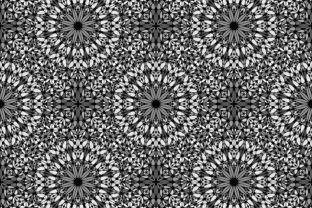
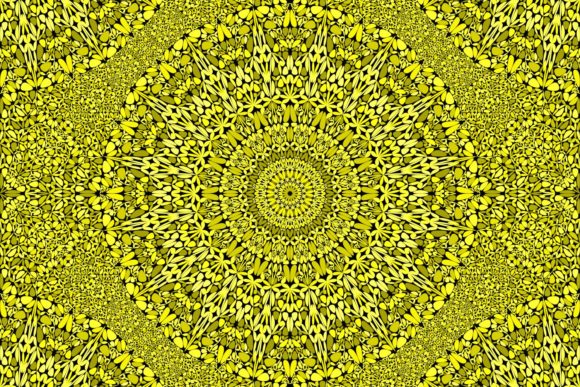
A seamless red floral mandala pattern is defined by its radial symmetry and continuous tiling capability. Unlike standard floral illustrations that may have distinct edges, these designs are mathematically structured to repeat infinitely without visible seams. The "red" designation typically encompasses a spectrum from deep crimson and burgundy to vibrant scarlet, often utilized to convey warmth, passion, or cultural significance. The integration of geometrical petal structures distinguishes this category from organic botanical art; the petals are stylized into precise shapes, creating an abstract spiritual aesthetic rather than a realistic depiction of nature.
From a technical standpoint, availability in multiple formats is a critical differentiator. High-quality assets in this category generally offer three distinct file types:
- JPG (5000x5000 pixels): Provides immediate usability for digital mockups and web backgrounds. At this resolution, it supports large-format printing up to approximately 16x16 inches at 300 DPI without interpolation.
- Vector EPS: Encapsulated PostScript files ensure compatibility across various legacy and modern design software. This format allows for infinite scaling, making it ideal for billboards, vehicle wraps, or textile printing where pixelation is unacceptable.
- Vector AI: Adobe Illustrator source files offer full editability. Designers can adjust individual anchor points, modify color palettes, or separate layers to create derivative works.
The combination of raster convenience and vector flexibility makes this asset class particularly valuable for professionals who need to iterate quickly while maintaining production-ready quality.
Comparing Stylistic Approaches: Geometric vs. Organic
When evaluating background options, it is essential to compare the seamless red floral mandala pattern against alternative stylistic categories. The choice between geometric abstraction and organic realism significantly influences user perception and brand messaging.
Geometrical Petal Mandala Ornament Pattern
This style prioritizes order, balance, and mathematical precision. It is best suited for contexts requiring a sense of stability, tradition, or structured elegance. Because the forms are abstracted, they tend to be less distracting as text backgrounds. The uniformity allows for easier overlay of typography without competing visual noise. However, this rigidity can sometimes feel impersonal or overly formal for brands aiming for a natural, eco-friendly, or spontaneous identity.
Organic Botanical Patterns
In contrast, organic floral patterns feature irregular stems, varied bloom sizes, and naturalistic shading. These alternatives excel in wellness, agriculture, or artisanal sectors where authenticity is paramount. While visually rich, organic patterns often present challenges in seamless tiling and can create uneven negative space, making text placement more difficult. If your project demands a clean, predictable grid for UI elements or packaging labels, the organic approach may introduce unnecessary complexity.
Solid Color or Gradient Backgrounds
Minimalist solid colors or subtle gradients remain the primary alternative to patterned backgrounds. While safer and universally applicable, they lack the cultural resonance and visual depth of a mandala. A seamless red floral mandala pattern adds texture and narrative value that flat color cannot achieve, but it also demands more careful color management to ensure accessibility and readability.
Assessing Format Tradeoffs: Raster vs. Vector Workflows
The decision between using the 5000x5000 JPG versus the vector EPS/AI files involves practical tradeoffs regarding workflow efficiency and output requirements. Neither format is inherently superior; each serves distinct phases of the design process.
When to Prioritize the High-Res JPG:
- Rapid Prototyping: When presenting concepts to clients who need to visualize the mood immediately without waiting for vector rendering.
- Web Optimization: For digital-only applications where file size matters more than infinite scalability. Note that even at 5000px, the JPG should be compressed for web use.
- Non-Vector Software: Users working in photo editing tools like Photoshop or Affinity Photo may find the raster version integrates more smoothly into composite workflows.
When to Prioritize Vector EPS/AI:
- Large Format Print: Any application exceeding 20 inches in width requires vector data to avoid blurriness.
- Color Customization: If the specific shade of red does not match brand guidelines, the AI file allows for global recoloring in seconds. Recoloring a flattened JPG is labor-intensive and often yields inferior results.
- Element Extraction: Vectors allow you to isolate specific motifs (e.g., a single petal cluster) for use as logos, icons, or standalone decorative elements.
Professionals should verify that the vector files provided are truly constructed with paths and not merely embedded raster images. True vector construction ensures the longevity and adaptability of the asset.
Cultural Context and Appropriate Application
Mandala patterns carry significant historical and spiritual weight in Oriental and South Asian traditions. Using a seamless red floral mandala pattern requires cultural awareness to avoid misappropriation or tonal dissonance. In many contexts, red symbolizes prosperity, celebration, and vitality, making it appropriate for festive packaging, wedding stationery, or cultural heritage projects.
However, applying sacred geometry casually in unrelated commercial contexts can sometimes appear inauthentic. Compare this with generic damask or paisley patterns, which have been largely secularized in Western design. If your project has no connection to the cultural origins of the mandala, consider whether a purely geometric abstraction might be more respectful and contextually appropriate. Conversely, if the project explicitly celebrates Eastern aesthetics, the intricate detail of a traditional floral mandala provides authenticity that simplified alternatives lack.
Decision Factors for Selection
Determining whether this specific asset type is the correct solution involves evaluating several key variables against project constraints.
Visual Hierarchy Requirements
If the background must support dense body text, evaluate the contrast ratio and visual density of the pattern. Red floral mandalas can be visually heavy. Compared to lighter pastel patterns or monochromatic line art, they may require aggressive opacity reduction or dark overlays to maintain legibility. If preserving the vibrancy of the red is non-negotiable, this pattern may only work for headers, borders, or packaging exteriors rather than text-heavy layouts.
Scalability Needs
Consider the range of applications. If the pattern will appear on both business cards and building signage, the vector AI/EPS versions are mandatory. If usage is limited to social media posts or email newsletters, the 5000x5000 JPG offers sufficient quality with greater ease of use. Investing time in learning vector manipulation pays dividends only if multi-format deployment is anticipated.
Uniqueness vs. Availability
Stock mandala patterns are widely available. Assess whether the specific geometric petal arrangement offers enough distinction for your brand. If exclusivity is required, purchasing extended licenses or commissioning custom modifications to the AI file may be necessary. Generic patterns serve well for placeholder content or low-stakes internal documents, but flagship products often benefit from customized colorways or altered motif spacing derived from editable vector sources.
Practical Implementation Considerations
Successful integration of seamless red floral mandala patterns depends on technical execution. When comparing this option to simpler textures, account for the additional setup time required for proper alignment and color proofing.
- Seam Verification: Always test the tile in your target medium before finalizing. Some patterns marketed as seamless may show slight misalignments at extreme zoom levels or specific print resolutions.
- Color Space Management: Red is notoriously difficult to reproduce consistently across RGB screens and CMYK printers. The vector AI file allows for precise Pantone matching, whereas the JPG is typically locked to sRGB or Adobe RGB profiles. Verify color conversions early to prevent dull or shifted reds in print.
- Layer Organization: In complex compositions, keep the mandala on a separate layer with blending modes like Multiply or Overlay. This preserves the underlying color integrity while adding texture, offering more flexibility than using the pattern as a flat base layer.
Ultimately, the seamless red floral mandala pattern serves as a powerful tool when its ornamental complexity aligns with the project’s communicative intent. It offers richer visual engagement than minimalism and more structured versatility than organic florals. By carefully weighing format capabilities, cultural implications, and functional requirements against available alternatives, designers can make informed choices that enhance both aesthetic quality and practical utility. The presence of both high-resolution raster and editable vector formats further extends its value proposition, accommodating diverse workflows from rapid digital iteration to precision print production.