Elegant Floral Leaves Wedding Invitation Templates: A Guide to Colorful, Customizable Design
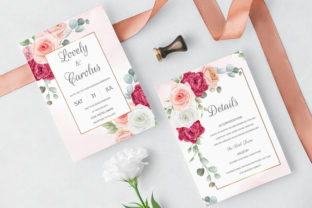
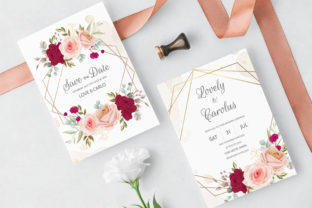
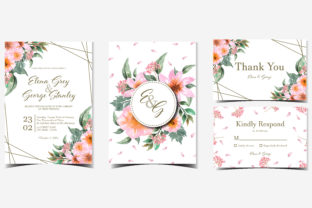
The wedding invitation is far more than a simple request for attendance; it is the first tangible glimpse into the aesthetic and emotional tone of your upcoming celebration. In the realm of modern stationery design, few motifs capture the essence of romance and vitality quite like floral leaves and botanical illustrations. When combined with vibrant, colorful artistry, these elements create an invitation that feels both timeless and refreshingly contemporary. For couples and designers alike, understanding the nuances of these templates—specifically those featuring elegant floral and leaf arrangements in colorful illustration styles—is essential for creating stationery that resonates.
This guide explores the significance of botanical design in wedding stationery, the practical advantages of using customizable templates, and the technical benefits of working with professional vector files like AI and EPS formats. Whether you are a DIY bride, a professional graphic designer, or simply an enthusiast of visual arts, understanding these components will elevate your approach to wedding design.
The Significance of Botanical Illustration in Wedding Stationery
Floral and leaf motifs have been a staple in wedding design for centuries, but their application has evolved significantly. Historically, botanical illustrations were often reserved for formal, traditional engravings. Today, the trend has shifted toward colorful illustrations that celebrate nature’s diversity. This shift reflects a broader cultural movement toward personalization and organic beauty in modern life.
Symbolism and Emotional Connection
Leaves and florals are not merely decorative; they carry deep symbolic weight. Greenery represents growth, renewal, and the flourishing of a new union. When rendered in colorful illustrations, these symbols become dynamic. Unlike monochromatic line art, full-color botanical designs evoke specific seasons, moods, and personalities. A template featuring lush eucalyptus and peonies suggests a spring garden party, while deep burgundy leaves and golden accents might signal an autumn evening affair. Understanding this visual language helps couples select a template that aligns authentically with their narrative.
Bridging Tradition and Modernity
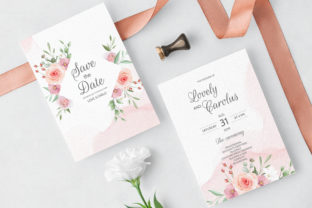
One common misunderstanding is that floral templates are inherently "old-fashioned." However, the integration of elegant floral and leaves in colourful illustration bridges the gap between vintage charm and modern graphic design. The key lies in the composition. Contemporary templates utilize negative space effectively, pairing intricate botanical details with clean, minimalist typography. This balance ensures the invitation remains legible and sophisticated, avoiding the cluttered look that can sometimes plague overly ornate designs.
The Practical Advantage of Customizable Templates
In today’s fast-paced world, efficiency does not have to mean sacrificing quality. The rise of high-quality, editable templates has democratized access to professional design. Specifically, templates marketed as "Easy to Use and Edit" serve a dual purpose: they empower beginners to achieve professional results while providing experienced designers with a robust foundation to build upon.
Customizable Text and Color Flexibility
A defining feature of superior wedding invitation templates is the ability to customize text color. While the floral illustration provides the visual anchor, the typography communicates the essential information. The interplay between the colors of the leaves and the hue of the text is critical for readability and harmony.
- Contrast is Key: If the floral illustration is vibrant and dense, customizable text color allows you to select a shade that stands out without competing. For example, white or gold text may be necessary over dark foliage, whereas charcoal or navy might work best against pastel leaves.
- Brand Consistency: Modern weddings often have a cohesive color palette that extends from the invitation to the decor. Being able to adjust text color ensures the invitation matches table linens, bridesmaid dresses, and floral arrangements perfectly.
- Accessibility: Customization also serves a functional role. Ensuring high contrast between text and background is vital for guests with visual impairments. Flexible color options allow hosts to maintain aesthetics while prioritizing legibility.
Understanding File Formats: AI and EPS Explained
When selecting a premium wedding invitation template, you will often see references to AI files and EPS files. For those new to graphic design, these acronyms can be intimidating. However, understanding them is crucial for ensuring your final product looks crisp and professional, regardless of size.
What Are Vector Files?
Unlike JPEGs or PNGs, which are made of pixels and lose quality when enlarged, AI (Adobe Illustrator) and EPS (Encapsulated PostScript) files are vector-based. This means they are constructed using mathematical equations to define lines, shapes, and colors. This distinction is vital for wedding stationery for several reasons:
- Infinite Scalability: You can resize a vector floral leaf from the size of a postage stamp to the size of a billboard without any loss of resolution. This is particularly useful if you decide to repurpose your invitation design for large-format welcome signs or seating charts.
- Editability: Vector files allow for granular control. You can move individual leaves, change the specific shade of green in a stem, or adjust the curve of a petal. Raster images do not offer this level of manipulation.
- Print Quality: Professional printers prefer vector files because they produce the sharpest possible output. The edges of the text and the details of the floral illustration remain crisp, ensuring an elegant finish.
Compatibility and Accessibility
While AI files are native to Adobe Illustrator, EPS files are a universal standard compatible with various vector editing software, including CorelDRAW and Affinity Designer. Including both formats in a template package demonstrates a commitment to user accessibility, ensuring that creators are not locked into a single software ecosystem.
The Importance of Free Font Usage in Design
A frequently overlooked aspect of digital templates is licensing. Many beautiful designs come with hidden costs in the form of paid font licenses. Templates that specify "Only free font use" provide significant value and peace of mind.
Navigating Licensing Safely
Using unlicensed fonts can lead to legal issues, especially for commercial designers creating invitations for clients. By utilizing templates pre-configured with free-for-commercial-use fonts (such as those from Google Fonts or open-source foundries), users eliminate this risk. Furthermore, free fonts have improved dramatically in quality. Modern open-source typefaces offer extensive character sets, multiple weights, and refined kerning that rival premium counterparts.
Seamless Editing Experience
From a user experience perspective, free fonts ensure that the template works immediately upon opening. There is no need to hunt for missing files or purchase expensive licenses just to edit the names on the card. This "plug-and-play" aspect is what makes a template truly easy to use, allowing the focus to remain on creativity rather than administrative hurdles.
Tips for Maximizing Your Floral Template
To get the most out of an elegant floral and leaves wedding invitation template, consider the following best practices:
- Respect the Hierarchy: Do not let the colorful illustration overpower the information. Use font size and weight to guide the reader’s eye from the couple’s names to the date and venue.
- Mind the Margins: When editing AI or EPS files, always keep safe zones in mind. Ensure that no part of the floral design or text is too close to the trim edge to avoid accidental cropping during printing.
- Paper Choice Matters: Colorful illustrations look vastly different on matte versus glossy paper. Matte finishes tend to enhance the organic, natural feel of botanical art, while glossy papers can make colors pop but may introduce glare.
- Test Print First: Screen colors (RGB) differ from print colors (CMYK). Always order a physical proof to verify that the customizable text color contrasts well with the floral background in real-world lighting.
Conclusion
The intersection of art and utility defines the best wedding stationery. An elegant floral and leaves wedding invitation template with colorful illustration offers more than just a pretty picture; it provides a structured, professional foundation for one of life’s most important announcements. By leveraging the scalability of AI and EPS files, the flexibility of customizable text colors, and the safety of free font licensing, couples and designers can create bespoke invitations with confidence.
Ultimately, these tools are designed to reduce stress and enhance creativity. They allow you to focus on what truly matters: celebrating love and sharing joy with your community. Whether you are deeply experienced in design or opening Illustrator for the first time, these templates bridge the gap between vision and reality, ensuring your invitation is as unique and beautiful as the event it heralds. Hope you like it, and thanks for exploring the art of botanical wedding design.